
Western Way Soil Treatments
Create a Protective Barrier Against Termite Activity
Get reliable soil treatment support designed to help protect key areas around your home from termite entry, movement, and future infestation risks.
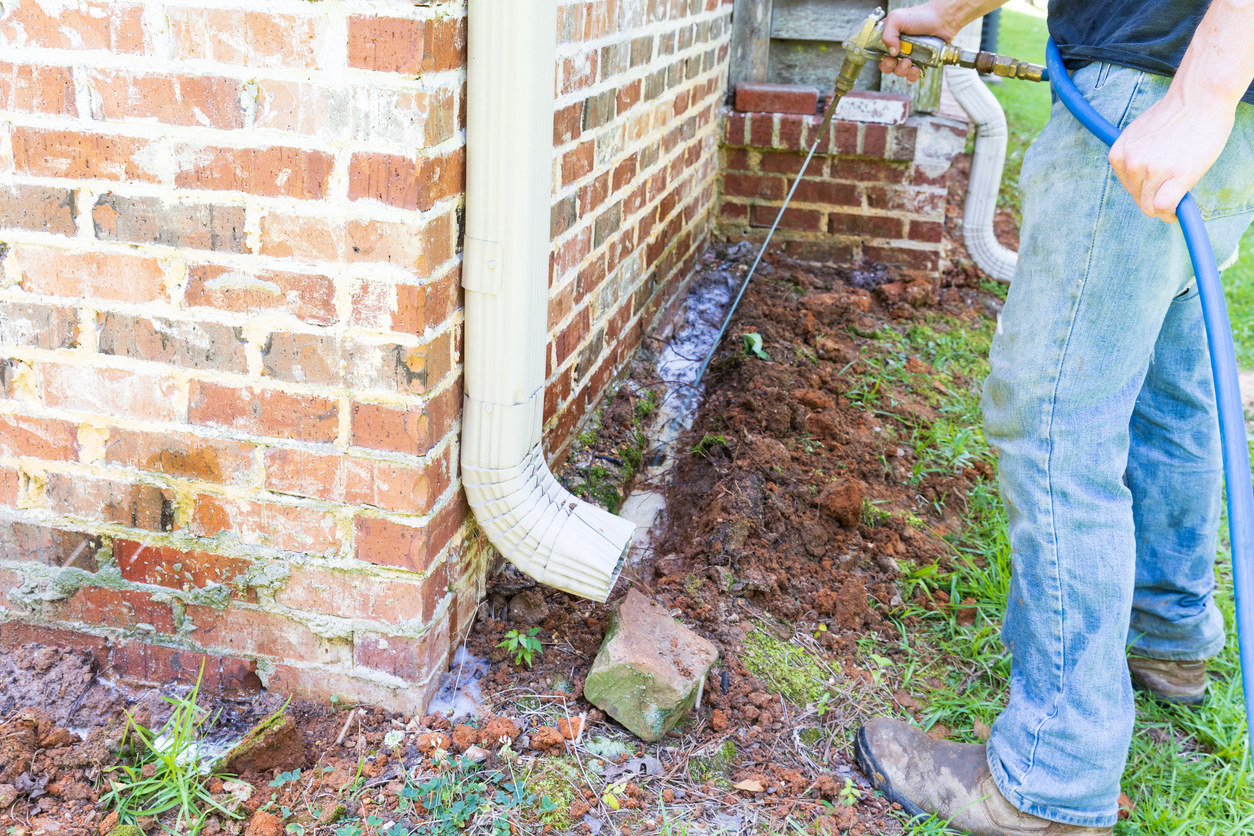
Protection Begins Around the Foundation
Soil Treatments Help Reduce Termite Access Around Your Home
Termites Often Move Through the Soil First
Subterranean termites can travel through soil to reach wood, foundations, crawlspaces, and other vulnerable areas of the home. Soil treatments help address the areas where termite movement may begin before activity reaches the structure.A Preventive Step for Long-Term Termite Control
Soil treatments can be used as part of a termite protection plan to help reduce the risk of future termite entry. When applied around key areas of the property, they help create a stronger line of defense between the home and termite activity underground.
Targeting Termite Movement Below the Surface
Treatment Support for Soil, Foundation, and Entry Areas
Focused Around High-Risk Zones
Soil treatments may be applied around areas where termites are likely to travel, such as near the foundation, crawlspace access points, exterior walls, and other soil-to-structure contact areas. These areas are important because they can give termites access to the home.Designed to Support Broader Termite Protection
Depending on the property’s condition, soil treatments may be recommended on their own or as part of a larger termite service plan. This approach helps homeowners address both current concerns and future risk areas around the property.
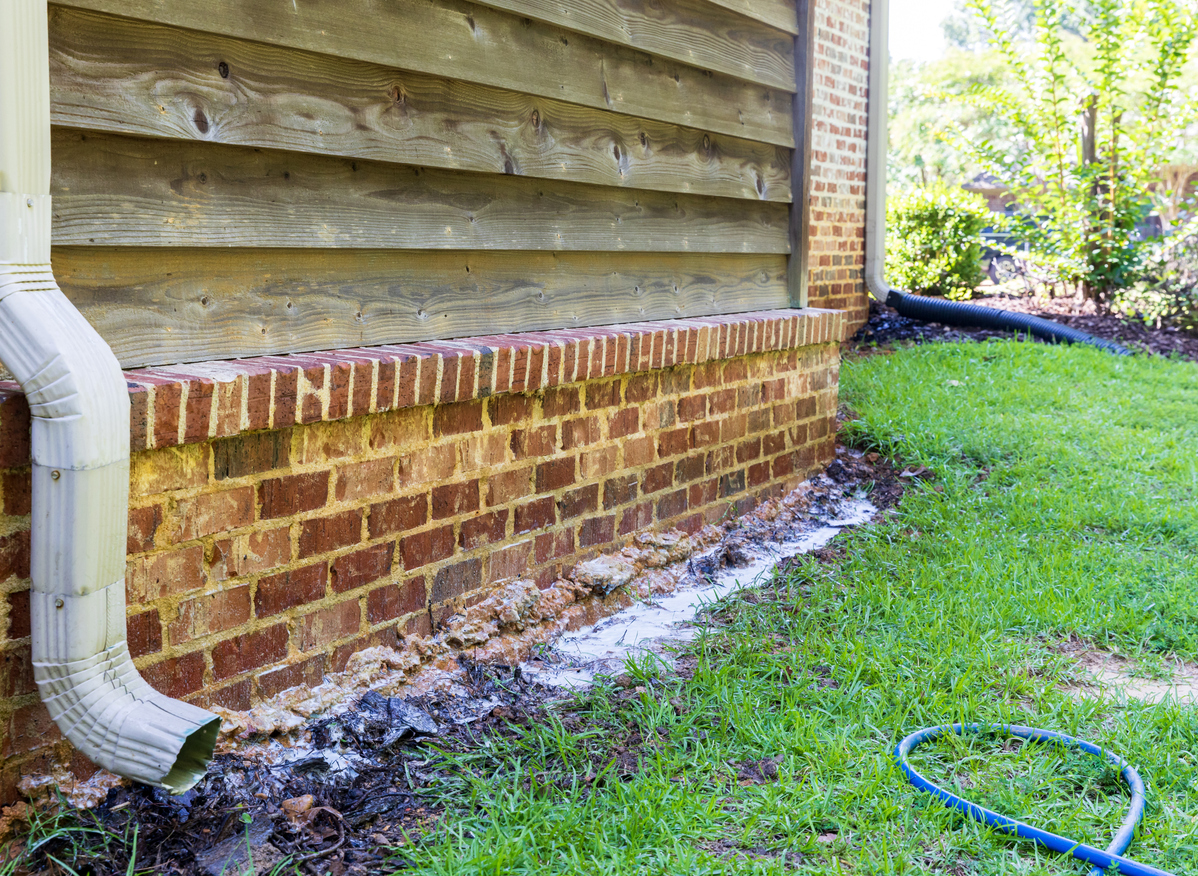
Structured Termite Defense From the Ground Up
Western Way’s 4-Step Approach to Soil Treatments
Inspect the Perimeter
Identifying Soil-to-Structure Risk Areas
We review the property perimeter, foundation areas, crawlspace access points, and other locations where termites may move from soil into the home.
Plan the Treatment Zone
Choosing Where Protection Is Needed Most
Based on the property conditions, we determine which soil areas may need treatment and how the service should be approached for the home.
Apply the Soil Treatment
Creating a Barrier Around Key Entry Areas
The soil treatment is applied around the recommended areas to help reduce termite movement and support protection around the structure.
Recommend Prevention Steps
Reducing Future Termite Risk Around the Home
After treatment, homeowners may receive guidance on moisture control, wood-to-soil contact, drainage concerns, and other conditions that can contribute to termite activity.
Soil Treatment FAQs
1. What is a termite soil treatment?
A soil treatment is a termite service designed to treat soil areas around the home where termites may travel or enter the structure.
2. What type of termites are soil treatments commonly used for?
Soil treatments are commonly used for subterranean termites, which often move through soil before reaching wood or structural areas.
3. Where are soil treatments applied?
They may be applied around foundations, crawlspace areas, exterior walls, soil-to-structure contact points, and other areas where termite movement may occur.
4. How do soil treatments help protect a home?
Soil treatments help create a treated zone around key areas of the property, making it harder for termites to move from the soil into the structure.
5. Do I need an inspection before soil treatment?
Yes. A property review helps determine where termite risk is present and whether soil treatment is the right option.
6. Can soil treatment be used with other termite services?
Yes. Soil treatment may be recommended along with localized treatments, wood repairs, or other termite service options depending on the property’s condition.
7. Is soil treatment only for active termite problems?
Not always. Soil treatment may be used for active termite concerns or as part of a preventive termite protection plan.
8. How long does a soil treatment take?
The timeline depends on the size of the property, the areas being treated, and the preparation needed before service.
9. Can soil treatments help prevent future termite activity?
Soil treatments can help reduce future termite risk when used as part of a broader termite prevention and property maintenance plan.
10. Why choose Western Way for soil treatments?
Western Way helps homeowners understand where termite risk may begin and provides soil treatment support designed around the property’s foundation, perimeter, and termite conditions.
Address
8505 Church St Suite 7 Giloy, CA 95020
© 2026 Western Way Home Services. All Rights Reserved.

For a Faster Quote
Call : (408) 676-4774