
Western Way Rodent Services
Protect Your Home From Rodent Activity and Entry Points
Get rodent service support for signs of rats or mice, nesting areas, droppings, attic activity, crawlspace concerns, entry points, and conditions that may allow rodents to return.
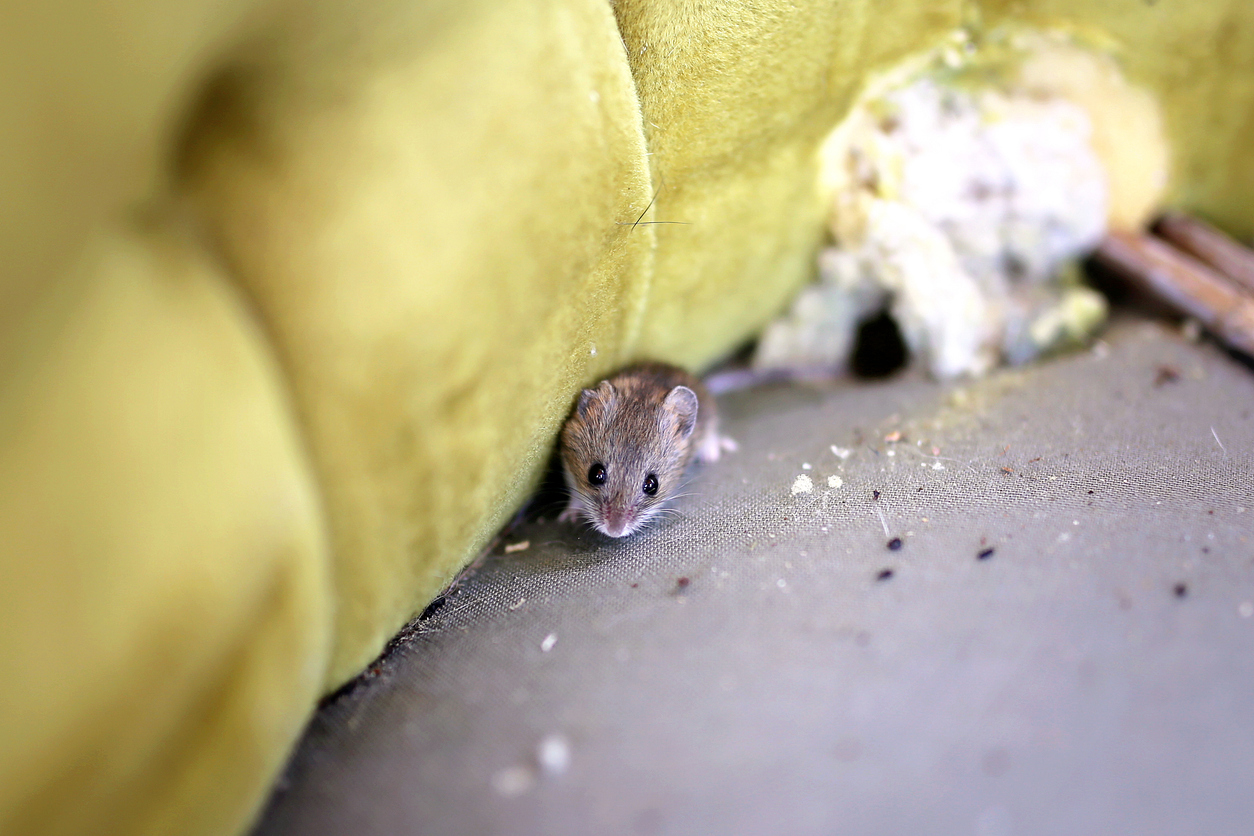
Rodents Can Create Hidden Problems Fast
Rodent Services Help Reduce Activity, Damage, and Future Entry
Rodents Can Affect More Than One Area of the Home
Rats and mice can travel through attics, crawlspaces, garages, wall gaps, kitchens, and exterior entry points. If the issue is not addressed early, rodent activity can lead to droppings, odors, nesting, insulation damage, and recurring activityEntry Points Must Be Identified for Better Control
Rodent problems often continue when openings, gaps, food sources, or shelter areas remain available. A property-based rodent service helps identify where rodents may be entering and what steps may help reduce future activity.
Targeting Rodent Activity at the Source
Service Support for Rats, Mice, Entry Points, and Nesting Areas
Rodent Activity and Problem Areas
Rodent services may focus on visible droppings, nesting areas, rub marks, gnawing, attic activity, crawlspace concerns, garage access, exterior holes, and other signs that rats or mice may be active around the property.Exclusion and Prevention Recommendations
After reviewing the property, homeowners may receive recommendations for sealing entry points, removing attractants, improving sanitation, addressing damaged insulation, or reducing conditions that support rodent activity.
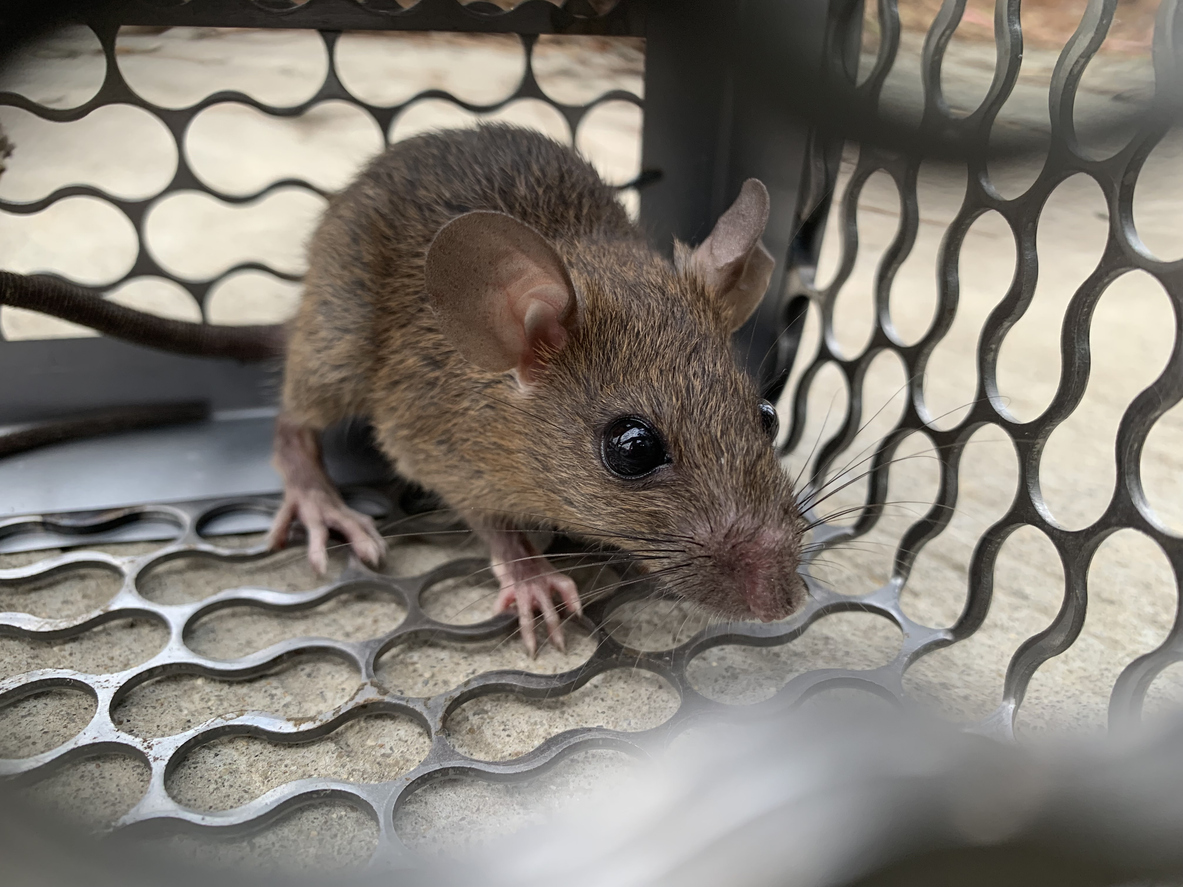
Structured Support for Rodent Control
Western Way’s 4-Step Approach to Rodent Services
Inspect Rodent Activity
Identifying Droppings, Nesting Areas, and Travel Paths
We begin by reviewing visible rodent signs, possible nesting areas, attic or crawlspace activity, exterior entry points, and areas where rats or mice may be moving through the property.
Locate Entry Points
Understanding How Rodents Are Getting Inside
The property is reviewed for gaps, openings, vents, utility penetrations, crawlspace access points, roofline areas, or other locations where rodents may enter.
Provide Rodent Service
Addressing Activity Around Targeted Problem Areas
Once the concern is identified, the appropriate rodent service support is completed based on the affected areas and the condition of the property.
Step 4: Recommend Prevention
Helping Reduce Future Rodent Activity
After service, homeowners may receive guidance on sealing openings, reducing food sources, cleaning affected areas, and addressing conditions that may attract rodents again.
Rodent Service FAQs
1. What are rodent services?
Rodent services help address rat and mouse concerns around the home, including visible activity, droppings, nesting areas, entry points, and prevention recommendations.
2. What are common signs of rodent activity?
Common signs include droppings, scratching noises, gnaw marks, nesting material, odors, rub marks, damaged insulation, and sightings of rats or mice.
3. Where do rodents commonly enter a home?
Rodents may enter through gaps around doors, vents, utility lines, crawlspace openings, roofline areas, foundation gaps, garages, and other small openings.
4. Can rodents damage insulation?
Yes. Rodents can disturb, contaminate, or damage insulation, especially in attics and crawlspaces.
5. Can rodent activity create odors?
Yes. Droppings, urine, nesting materials, and trapped rodents can create unpleasant odors inside or around the home.
6. Do rodent services include checking entry points?
Yes. Entry point review is an important part of rodent service because rodents can return if openings remain accessible.
7. Can rodents affect kitchens or food storage areas?
Yes. Rodents may enter kitchens, pantries, garages, or storage areas if food, shelter, or access points are available.
8. Is rodent prevention important after service?
Yes. Prevention steps can help reduce the chance of rodents returning after the initial service.
9. Can I request rodent services online?
Yes. You can request rodent service support through the website form, and the team can follow up with the next step.
10. Why choose Western Way for rodent services?
Western Way provides rodent service support as part of a broader home service company, helping homeowners address rodent activity, pest concerns, attic issues, inspections, and related property needs.
Address
8505 Church St Suite 7 Giloy, CA 95020
© 2026 Western Way Home Services. All Rights Reserved.

For a Faster Quote
Call : (408) 676-4774