

Western Way Fumigation Services
Whole-Structure Termite Treatment for Serious Infestations
Get professional fumigation support for widespread termite activity that may require a more complete treatment approach. Our team helps homeowners understand the situation, prepare for the process, and move forward with the right termite solution.
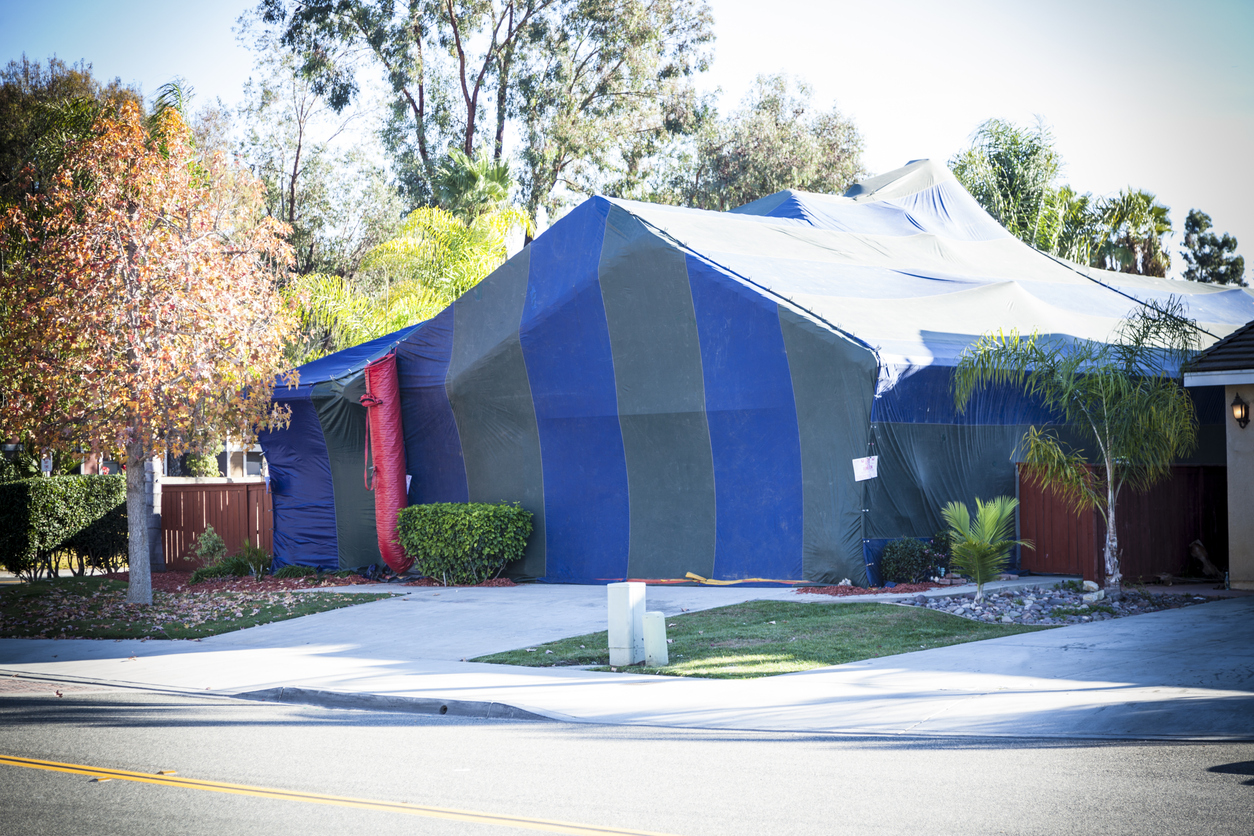
When Termite Activity Goes Beyond One Area
A Broader Treatment Option for Hidden or Widespread Infestations
Hidden Termite Activity Can Spread Behind the Surface
Termites can move through wood, walls, and structural areas where damage is not always easy to see. When activity is widespread or difficult to access, fumigation may be recommended to help address the infestation more completely.A More Complete Option Than Spot Treatment Alone
Localized treatments are useful for targeted areas, but some termite problems require a broader approach. Fumigation helps treat termite activity throughout the structure when the condition of the home calls for whole-structure treatment.
Understanding the Fumigation Process
Designed to Reach Termite Activity Inside the Structure
Preparation Helps Make the Process Clearer
Before fumigation begins, homeowners need to understand what to remove, secure, or arrange before the service. Clear preparation steps help make the process more organized and easier to manage.Treatment, Clearance, and Follow-Up Guidance
After the fumigation is completed, the property must be cleared before re-entry. Homeowners may also receive follow-up recommendations to help reduce future termite risks and support long-term protection.
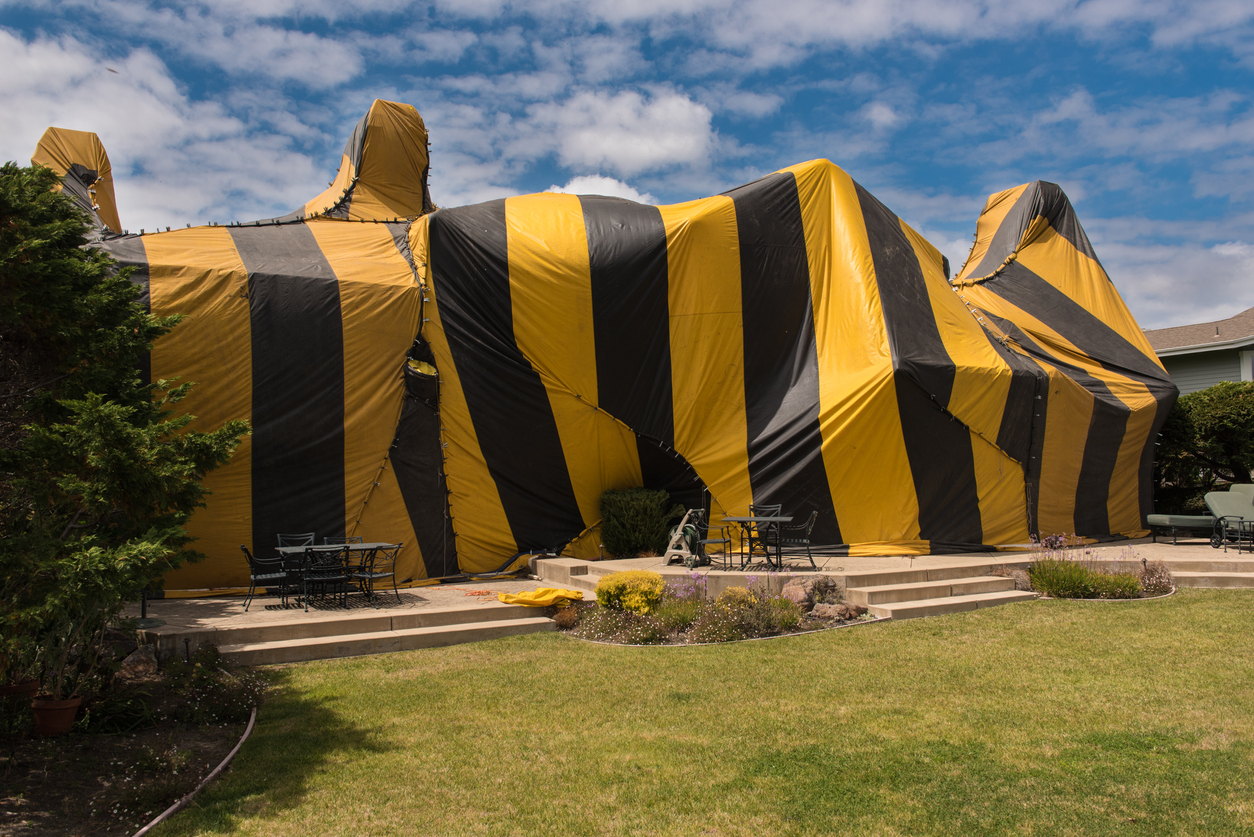
Structured Approach to Whole-Structure Termite Treatment
Western Way’s Proven 4-Step Approach to Fumigation Services
Comprehensive Fumigation Review
Identifying the Extent of Termite Activity
We begin by reviewing the termite concern and property conditions to determine whether fumigation is the right solution. This helps identify when termite activity may be too widespread or hidden for localized treatment alone.
Property Preparation Guidance
Helping Homeowners Understand What Comes Before Treatment
Before fumigation begins, homeowners receive clear preparation instructions. This may include guidance on temporary vacancy, items that need to be removed or secured, and steps needed to prepare the home for service.
Whole-Structure Treatment
Reaching Hidden Termite Activity Inside the Home
Once the property is prepared, the fumigation process is completed based on the treatment plan. This approach is designed for termite activity that may be hidden inside wood, walls, or structural areas.
Clearance & Follow-Up Support
Returning Safely With Long-Term Protection in Mind
After fumigation is complete, the property must be cleared before re-entry. Homeowners may also receive follow-up guidance to help reduce future termite risks and support continued home protection.
Fumigation FAQs
1. What is termite fumigation?
Termite fumigation is a whole-structure treatment method used when termite activity is widespread, hidden, or difficult to reach with localized treatment.
2. When is fumigation recommended?
Fumigation may be recommended when termite activity is found in multiple areas of the structure or when the infestation cannot be handled effectively with targeted treatment alone.
3. Is fumigation different from localized treatment?
Yes. Localized treatment focuses on a specific affected area, while fumigation is designed to treat the structure more broadly.
4. Do I need an inspection before fumigation?
Yes. A termite inspection or property review helps determine whether fumigation is needed and whether it is the most appropriate option for the termite concern.
5. Will I need to leave the property during fumigation?
Yes. Fumigation typically requires people, pets, and certain items to be removed from the property during the treatment process.
6. How should I prepare for fumigation?
Preparation may include removing people, pets, plants, certain foods, medications, and other items from the property. Specific instructions should be followed before the service begins.
7. How long does fumigation take?
The timeline can vary depending on the structure, treatment requirements, preparation needs, and clearance process.
8. Can fumigation help with hidden termite activity?
Yes. Fumigation is often recommended because it can help reach termite activity hidden inside wood, walls, and structural areas.
9. What happens after fumigation is completed?
After fumigation, the property must be cleared before safe re-entry. Homeowners may also receive recommendations to help reduce future termite risks.
10. Why choose Western Way for fumigation services?
Western Way helps homeowners understand when fumigation is needed, how to prepare, and what to expect throughout the process.
Address
8505 Church St Suite 7 Giloy, CA 95020
© 2026 Western Way Home Services. All Rights Reserved.

For a Faster Quote
Call : (408) 676-4774