

Western Way Termite Wood Repairs
Repair Termite-Damaged Wood Before It Gets Worse
Get reliable termite wood repair support for damaged trim, framing, siding, fascia, eaves, and other affected wood areas that need attention after termite activity.
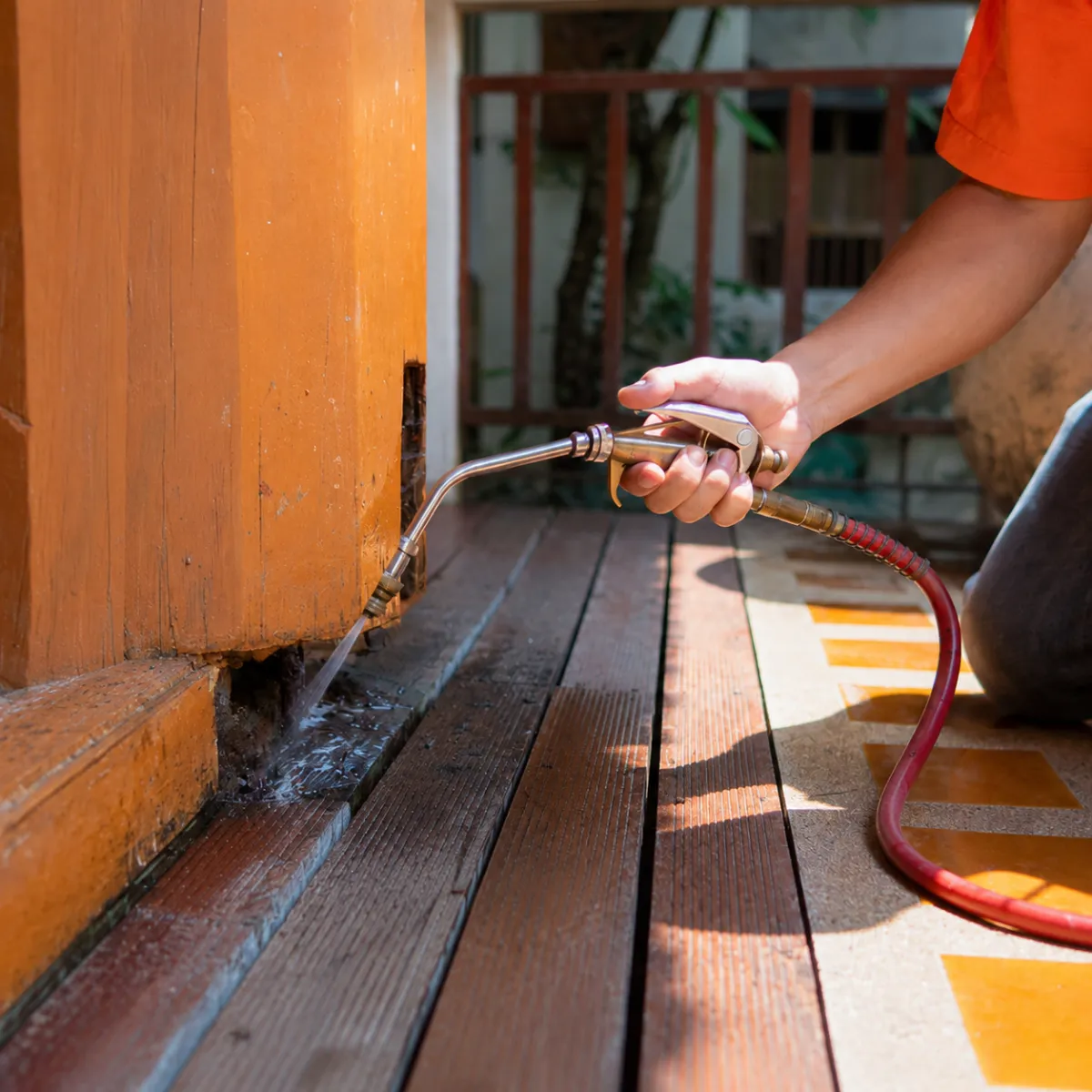
After Termites Damage the Wood
Restore Affected Areas and Help Protect Your Home’s Structure
Damaged Wood Can Weaken Over Time
Termite activity can leave wood hollow, brittle, or visibly damaged. If the affected areas are not repaired, the damage may continue to impact the appearance, strength, and condition of important parts of the home.Repairs Help Complete the Termite Service Process
After termite activity has been inspected or treated, wood repairs help restore damaged areas and make the home safer, cleaner, and more stable. This gives homeowners a better long-term solution instead of leaving visible or structural damage behind.
Repair Support for Termite-Damaged Areas
Fixing Wood Damage Caused by Termite Activity
Common Areas That May Need Repair
Termite wood repairs may involve damaged fascia boards, eaves, siding, trim, framing, decks, porch areas, or other accessible wood components. The right repair depends on the location, severity, and condition of the affected material.A Practical Approach to Restoring the Home
The goal is to remove or repair compromised wood and restore the affected area with careful workmanship. When repairs are connected to termite findings, homeowners can better understand what needs to be fixed and why it matters.

Structured Repairs for Termite-Damaged Wood
Western Way’s 4-Step Approach to Termite Wood Repairs
Assess the Damage
Identifying Affected Wood and Repair Needs
We review the damaged areas to understand the location, severity, and type of wood repair needed. This helps determine whether the area needs replacement, reinforcement, or repair.
Plan the Repair
Choosing the Right Fix for the Affected Area
Once the damaged wood is reviewed, we outline the recommended repair approach based on the condition of the material and the needs of the home.
Complete the Work
Restoring Damaged Wood With Careful Workmanship
Our team completes the needed wood repair work with attention to detail, helping restore the appearance, strength, and function of the affected area.
Review the Finished Area
Making Sure the Repair Is Clear and Complete
After the repair is completed, the finished area is reviewed so homeowners understand what was addressed and whether any additional follow-up may be recommended.
Termite Wood Repair FAQs
1. What are termite wood repairs?
Termite wood repairs involve fixing or replacing wood that has been damaged by termite activity, such as trim, siding, fascia, eaves, framing, decks, or other affected areas.
2. When do I need termite wood repair?
You may need wood repair if termite damage has weakened, hollowed, cracked, or visibly damaged parts of the home.
3. Should termite activity be treated before repairs are made?
In many cases, termite activity should be inspected and treated before completing repairs so the source of the damage is addressed first.
4. What areas of the home can termites damage?
Termites can damage wood framing, trim, siding, fascia, eaves, decks, porch areas, crawlspace wood, and other structural or decorative wood components.
5. Can damaged wood be repaired instead of replaced?
It depends on the severity of the damage. Some areas may be repaired, while severely compromised wood may need to be replaced.
6. Can termite wood repairs improve the appearance of my home?
Yes. Repairing damaged wood can improve both the appearance and condition of affected areas, especially when damage is visible on exterior trim, siding, or fascia.
7. Can termite damage affect structural areas?
Yes. If termites damage important structural wood, repairs may be needed to help restore strength and stability.
8. How do I know how much wood needs to be repaired?
A property review can help identify the affected areas and determine what level of repair is needed.
9. Can I request termite wood repairs online?
Yes. You can request termite wood repair support through the website form, and the team can follow up with the next step.
10. Why choose Western Way for termite wood repairs?
Western Way helps homeowners address termite-related wood damage with practical repair support, clear recommendations, and service options connected to broader termite and home care needs.
Address
8505 Church St Suite 7 Giloy, CA 95020
© 2026 Western Way Home Services. All Rights Reserved.

For a Faster Quote
Call : (408) 676-4774