Designed To Educate, Motivate & Inspire
The Western Way Journal
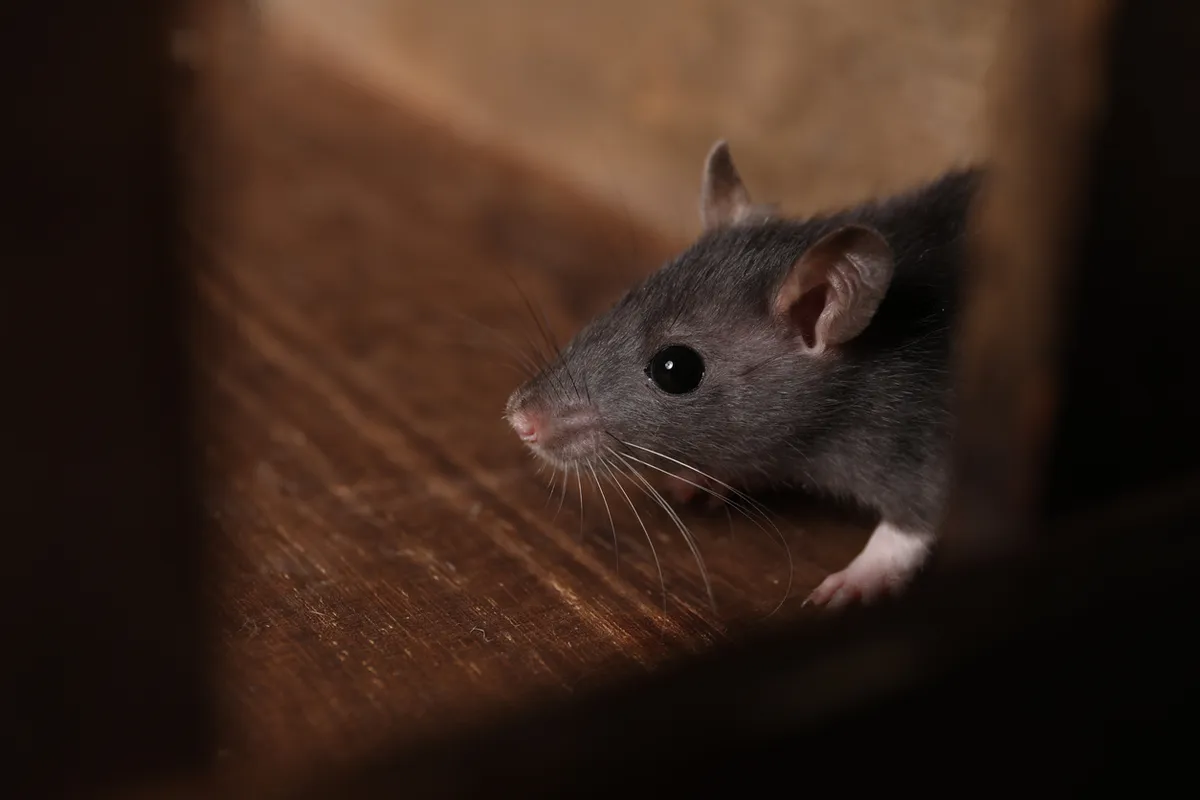
Why Rodents Start Moving Indoors in October – A Recent Job & Some Homeowner Tips
By Daniel, Pest Manager, Western Way Termite & Pest Services
What We Walked Into
October is usually when I start reminding homeowners across the California Coast & Bay Area to pay closer attention to signs of rodents around the house.
As the season changes, rats and mice start looking for places where they can find reliable shelter, food, and water. A garage, crawl space, attic, or wall cavity can give them exactly that.
Earlier this month, we got a call from a homeowner who had heard something moving above the ceiling a couple of nights in a row. It wasn't constant. They would hear a little scratching late at night, then nothing for hours.
They weren't even sure it was a rodent.
When we arrived, there wasn't an obvious problem inside the living areas. No food had been disturbed, there were no droppings in the kitchen, and the homeowner hadn't actually seen a rat or mouse.
But once we started checking the quieter parts of the property, we found the signs we were looking for.

The Problem
The first clear evidence showed up in the garage.
There were a few droppings behind stored items along the wall and some light chewing on an old cardboard box. Nothing looked severe, but it told us rodents had been moving through the area.
From there, we started looking at how they might be getting inside.
Along one side of the home, we found vegetation growing close to the structure. There were also a couple of small gaps around exterior openings that didn't look like much at first glance.
That's something I see regularly with rodent work.
Homeowners sometimes expect to find a large hole somewhere, but rodents don't necessarily need one. Small gaps around doors, vents, utility lines, roof areas, and other exterior openings can be enough.
The activity also made sense for the time of year. Conditions outside were changing, and the house provided something rodents were looking for: a quiet, protected place to settle.
The homeowner had noticed the problem early. Our job was to keep those first few signs from turning into regular activity inside the home.
The Process
We started by checking the areas where the homeowner had noticed activity and then worked our way through the rest of the property.
In the garage, we looked behind storage, along the walls, and around the doors for droppings, chewing, and possible travel routes.
We then inspected the exterior of the home. Instead of looking for one obvious hole, we checked the smaller areas rodents commonly take advantage of, including gaps around utility penetrations, doors, vents, and sections where the exterior had small openings.
Once we had identified the likely access areas, we addressed the vulnerable openings and dealt with the active rodent issue.
We also showed the homeowner a few changes they could make around the garage and exterior. Some stored items were moved away from the walls, and vegetation close to the house was trimmed back.
The important part was not simply dealing with the rodents that were already there.
We wanted to make it harder for new activity to start again as we moved further into fall.
The Outcome
Over the following weeks, the homeowner kept an ear out for the nighttime scratching that had originally led them to call us.
It stopped.
For the homeowner, that was the biggest difference. What had started as lying in bed wondering what was moving above the ceiling was no longer something they were thinking about every night.
They had also started keeping the garage a little more organized, particularly around the walls, which made it much easier to notice if anything changed.
This was a relatively small rodent problem, and that's exactly why it was a good one to deal with early.
Waiting until rodents had settled into the property would have made the situation much more difficult.
DIY Advice
October is a good time to walk around your property and look at it from a rodent's point of view.
Check underneath exterior and garage doors for gaps.
Look around vents, pipes, utility lines, and other places where something passes through an exterior wall.
Keep bushes, vines, and tree branches from providing easy access to the structure or roof.
Move long-term garage storage away from walls when possible so you can see what's happening behind it.
Store pet food, bird seed, and other food products in properly sealed containers.
Pay attention to droppings, chewing, nesting material, or scratching sounds, particularly at night.
You don't need to turn your home upside down looking for rodents.
A quick check of the areas they are most likely to use can often tell you quite a bit.

Professional Insight
One of the biggest mistakes with rodent problems is focusing only on the animal that's already inside.
Removing a rat or mouse doesn't necessarily solve the reason it got there.
If an entry point stays open, another rodent can use the same route later. That's why we spend so much time looking at the structure itself.
Across the California Coast & Bay Area, fall rodent calls often begin with something very minor: one sound in the attic, a few droppings in the garage, or a package that has been chewed.
Those early signs are useful.
They give us an opportunity to find the access point and deal with the problem before rodents become established inside the property.
That's much easier than waiting until you're seeing activity throughout the house.
Closing
October is when it's worth paying a little more attention to the quiet areas of your home.
Check the garage. Look around exterior doors. Pay attention if you hear scratching above the ceiling at night.
Rodents don't need much of an opportunity to get inside, and once they find a protected place, they have a reason to stay.
If you've noticed something small and aren't sure whether it's rodent activity, it's better to have it checked before those first signs turn into a bigger problem.
If you need help or just want someone to take a look, we're here.
– Daniel


Services
Office
8505 Church St Suite 7 Giloy, CA 95020
Copyright 2024. All Right Reserved.