Designed To Educate, Motivate & Inspire
The Western Way Journal
Winter Pests in California: What You Need to Know
Rodents: Seeking Warmth and Shelter
When temperatures drop, rodents such as mice and rats search for warm, safe places to live—and our homes in San Mateo Counties often provide the perfect refuge. Once they find a way inside, these pests can multiply quickly, spread disease, and cause extensive property damage. Understanding their behavior, signs of activity, and risks is the first step to protecting your home.
Here’s what every homeowner should know:
Signs of Activity
Droppings: Small, dark pellet-like droppings in cabinets, pantries, basements, or along walls.
Gnaw Marks: Evidence on food packaging, wires, furniture, or wooden beams.
Scratching Noises: Sounds coming from ceilings, attics, or behind walls—often at night when rodents are most active.
Grease Marks & Tracks: Oily rub marks along baseboards or small footprints in dusty areas.
Nests: Shredded paper, fabric, or insulation gathered in hidden corners.
Health Risks
Food Contamination: Rodents can contaminate pantries and kitchen surfaces with urine and droppings.
Disease Transmission: They are carriers of serious diseases like hantavirus, leptospirosis, and salmonella.
Allergens: Shed fur, droppings, and urine can trigger asthma or allergies, especially in children.
Parasites: Rodents often carry fleas, ticks, and mites that spread secondary infestations.
Damage Potential
Chewed Wiring: Increases the risk of electrical fires and costly repairs.
Insulation Damage: Nesting rodents tear apart insulation, reducing your home’s energy efficiency.
Structural Harm: Persistent gnawing weakens wooden beams, drywall, and even plastic pipes.
Stored Items at Risk: Decorations, clothing, and paperwork stored in attics or garages are often destroyed.
Why Winter Makes Rodents Worse
Food Scarcity Outdoors: Cold weather reduces natural food sources, driving rodents indoors.
Warmth of Homes: Heated interiors provide a safe haven from the elements.
Easy Access Points: Small cracks in foundations or gaps under doors provide easy entry routes during winter months.
Cockroaches: Thriving in Warm Indoor Spaces
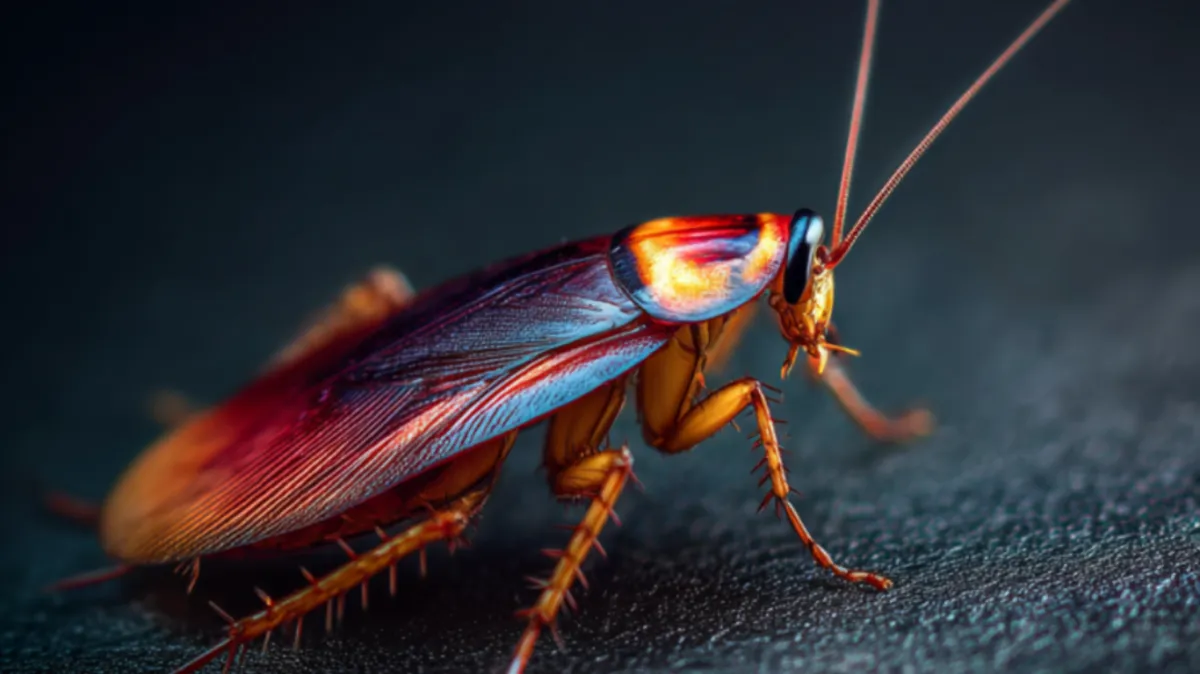
Cockroaches are some of the most stubborn pests homeowners in San Mateo Counties face during the winter. While outdoor temperatures drop, these insects thrive in heated, humid indoor environments, particularly in kitchens and bathrooms where food and moisture are abundant. Once they establish themselves, cockroaches can be extremely difficult to eliminate without professional help.
Here’s what you need to know about winter cockroach activity:
Where They Hide
Behind Appliances: Warm areas near stoves, refrigerators, and dishwashers provide perfect shelter.
Under Sinks: Plumbing lines often leak small amounts of water, creating the dampness cockroaches need.
Cracks and Crevices: Tiny gaps in baseboards, cabinets, and tile grout allow cockroaches to stay hidden during the day.
Dark Storage Spaces: Pantries, cardboard boxes, and cluttered cabinets are common hiding zones.
Health Concerns
Bacteria Transmission: Cockroaches can spread harmful bacteria such as Salmonella and E. coli as they crawl over food and surfaces.
Allergy Triggers: Droppings, shed skins, and saliva are known allergens that can trigger asthma attacks, particularly in children.
Food Contamination: Roaches often crawl through drains, garbage, and unsanitary areas before contaminating household food supplies.
Unpleasant Odors: Large infestations produce a distinct musty odor that lingers in kitchens and bathrooms.
Why They Persist in Winter
Indoor Heating: Warm temperatures indoors allow roaches to remain active even when it’s cold outside.
Moisture Sources: Leaky faucets, condensation, and standing water in pet bowls or sinks sustain them.
Rapid Reproduction: A single female cockroach can produce hundreds of offspring in a year, ensuring populations grow quickly once established.
Nighttime Activity: Roaches are nocturnal, so infestations often go unnoticed until populations are large.
Prevention and Control
Eliminate Moisture: Fix leaks under sinks, wipe up condensation, and don’t leave standing water overnight.
Keep Kitchens Clean: Regularly wipe counters, sweep crumbs, and store food in airtight containers.
Reduce Clutter: Limit cardboard boxes and paper bags, which roaches love to hide in.
Spiders: More Common in Storage Areas
While many spider species slow down during the colder months, some continue seeking warmth and shelter indoors. Garages, basements, attics, and storage rooms in San Mateo homes often provide the quiet, undisturbed environments spiders prefer. Though most spiders are harmless, their presence can be unsettling, especially when webs begin to spread across your storage areas.
Here’s what homeowners should know about winter spiders:
Common Winter Species
House Spiders: These are the most frequently encountered indoors. They spin webs in corners, closets, and storage areas where they can remain undisturbed.
Cellar Spiders (a.k.a. “Daddy Longlegs”): Known for their long legs and messy webs, cellar spiders thrive in dark, damp areas such as basements and crawl spaces.
Occasional Invaders: Other species, like wolf spiders, may wander indoors when outdoor conditions become too harsh.
Risk Factor
Low Health Risks: Most household spiders are not dangerous to humans, and many even help by feeding on other insects.
Web Accumulation: While harmless, cobwebs can quickly build up and make storage areas appear dirty or neglected.
Unsettling Presence: For homeowners with spider phobias, even harmless species can create stress and discomfort.
Where They Hide
In Boxes and Storage Bins: Cardboard boxes, especially when left untouched for long periods, are prime hiding spots.
In Corners and Rafters: Spiders often establish webs high in corners, along beams, and behind stored items.
Around Clutter: Piles of clothing, decorations, or old papers provide dark and sheltered spaces.
Prevention Tips
Declutter Storage Areas: Donate or discard items you no longer use, reducing potential hiding spots.
Swap Cardboard for Plastic Bins: Sturdy, sealed plastic containers are less attractive to spiders and keep belongings protected.
Sweep and Vacuum Regularly: Focus on corners, ceilings, and under shelving where webs are likely to form.
Seal Cracks and Gaps: Close off small openings in walls, foundations, and around windows to prevent new spiders from entering.
At Western Way Termite & Pest Services, we specialize in protecting homes across San Mateo Counties with proactive winter pest solutions. From rodent exclusion to cockroach treatments and ongoing monitoring, our team ensures that your home stays pest-free, no matter the season.


Services
Office
8505 Church St Suite 7 Giloy, CA 95020
Copyright 2024. All Right Reserved.