Designed To Educate, Motivate & Inspire
The Western Way Journal
Termite Control – A Recent Job & Some Homeowner Tips
By Daniel, Pest Manager, Western Way Termite & Pest Services
What We Walked Into
September is a month when we still get plenty of termite calls across the California Coast & Bay Area. The weather is still warm, and termite activity can continue even though summer is starting to wind down.
A few weeks ago, we got a call from a homeowner who had noticed something unusual around the side of their house. They had found a few small mud lines running up from the soil onto the foundation and weren't sure what they were looking at.
The home was well maintained. There was no obvious wood damage, nothing sagging, and no major signs inside that would make someone immediately think of termites.
That is pretty common with termite problems. Most homeowners don't find termites because they actually see the insects. They notice something small around the property that doesn't look right.
The homeowner wanted us to check it before doing anything themselves. That ended up being the right decision because once we started inspecting, there was more going on than what was visible from the outside.
The Problem
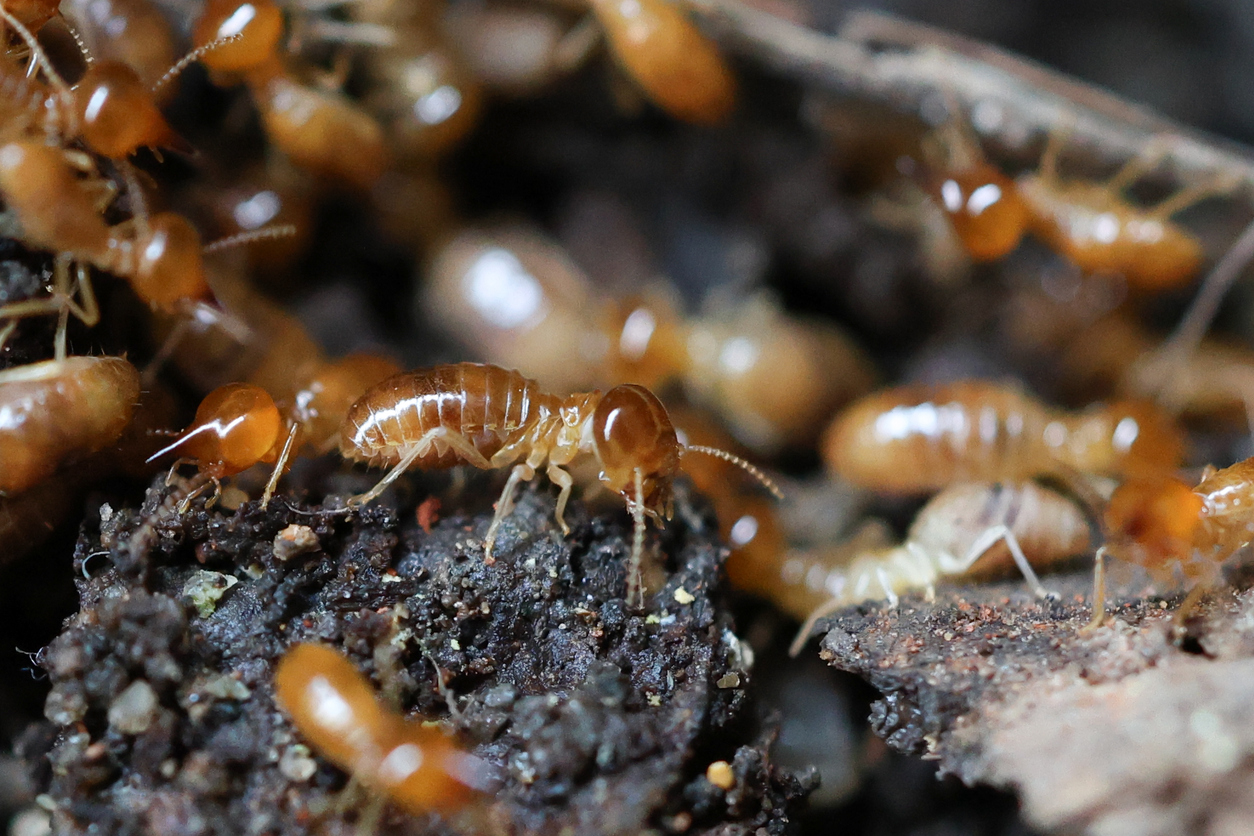
We started around the area where the homeowner had noticed the mud lines. They were termite tubes running from the soil toward the structure.
As we continued around the foundation, we found another section where soil and wood were sitting too close together. That area also stayed damp because of regular landscape watering.
Those conditions can create a good environment for subterranean termites. They live underground and travel between the soil and wood, so moisture and easy access to the structure can make a big difference.
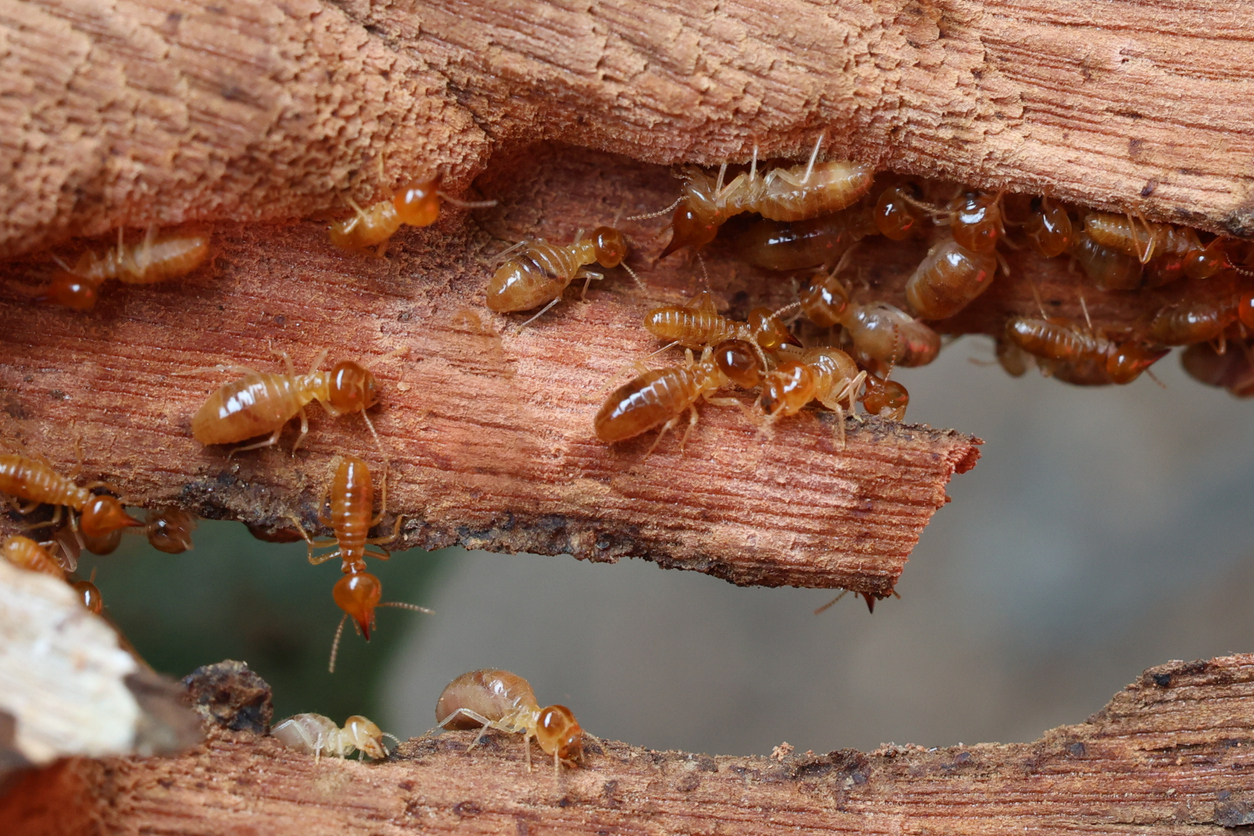
Inside, there wasn't much to see at first. We checked the areas closest to the exterior activity and found a section of wood that sounded different when inspected. Looking closer confirmed that termites had already started working inside it.
The damage was still limited, which was good. But it was also a good example of why termites are easy to miss. From the outside, that piece of wood looked normal.
The homeowner hadn't ignored a major warning sign. They had simply noticed the problem early enough that it hadn't reached that point yet.
The Process
We started by inspecting the full exterior rather than focusing only on the spot where the termite tubes had been found.
We checked the foundation, exterior wood, areas where soil was close to the structure, and places where moisture was staying around longer than it should. We also looked at the nearby landscaping and irrigation because we wanted to understand why the termites were active in that particular area.
Inside the home, we checked the sections closest to the exterior activity and looked for changes in the wood that could indicate hidden damage.
Once we had a better picture of where the activity was located, we were able to deal with the affected areas directly and put protection in place around the vulnerable parts of the structure.
We also talked with the homeowner about the moisture issue outside. One section of the landscaping was being watered more than necessary, and the soil near the foundation was staying damp. Adjusting that was an important part of reducing the conditions termites were using.
With termite work, we don't want to look at one visible tube and assume that is the whole problem. We want to understand where the activity is coming from, how far it has gone, and what around the property may be helping it continue.
The Outcome
After the treatment, we continued checking the areas where activity had originally been found.
There were no new termite tubes developing along the foundation, and we didn't find signs that the activity was continuing into other parts of the structure.
The homeowner also made the recommended changes around the landscaping, which helped the soil near the house stay noticeably drier.
For them, the biggest relief was knowing how much of the home had actually been affected. Before the inspection, they didn't know whether those small mud lines meant a minor issue or whether termites had been damaging the house for years.
Once everything had been inspected and addressed, they knew exactly what they were dealing with.
That's important with termites because uncertainty is often what worries homeowners the most.
DIY Advice
There are a few simple things homeowners can check around their own property between professional inspections.
Look around the foundation occasionally for mud tubes or unusual lines coming up from the soil.
Keep soil, mulch, and landscaping from sitting directly against exterior wood whenever possible.
Fix leaking outdoor faucets, irrigation problems, and other areas that keep the ground beside the home constantly damp.
Pay attention to wood trim that becomes soft, cracked, or different from surrounding areas.
Watch for discarded wings around windows, doors, or other areas of the home.
Avoid storing firewood, lumber, or cardboard directly against the house for long periods.
These checks don't replace a termite inspection, but they can help you notice changes around the property sooner.
Professional Insight
Termites are one pest where I don't recommend guessing.
A damaged piece of wood doesn't automatically mean termites, and seeing one suspicious spot doesn't tell you how much activity is actually present.
The difficult part is that much of the problem can be hidden.
A proper inspection helps determine whether termites are active, where they're coming from, how much of the structure is affected, and what treatment actually makes sense for that particular property.
Across the California Coast & Bay Area, we inspect plenty of homes where the homeowner noticed something small first. Sometimes it turns out to be nothing serious. Other times, that small sign leads us to activity that would have been difficult to find otherwise.
Either way, knowing what you're actually dealing with is better than waiting for visible damage.
Closing
September is a good time to pay attention to the areas around your home that you normally walk past without thinking about.
Take a look at the foundation, exterior wood, landscaping, and anywhere moisture tends to stick around.
If you notice mud tubes, damaged wood, discarded wings, or something that simply doesn't look right, it's worth having it checked rather than waiting to see what happens.
If you need help or just want someone to take a look, we're here.
– Daniel


Services
Office
8505 Church St Suite 7 Giloy, CA 95020
Copyright 2024. All Right Reserved.