Designed To Educate, Motivate & Inspire
The Western Way Journal
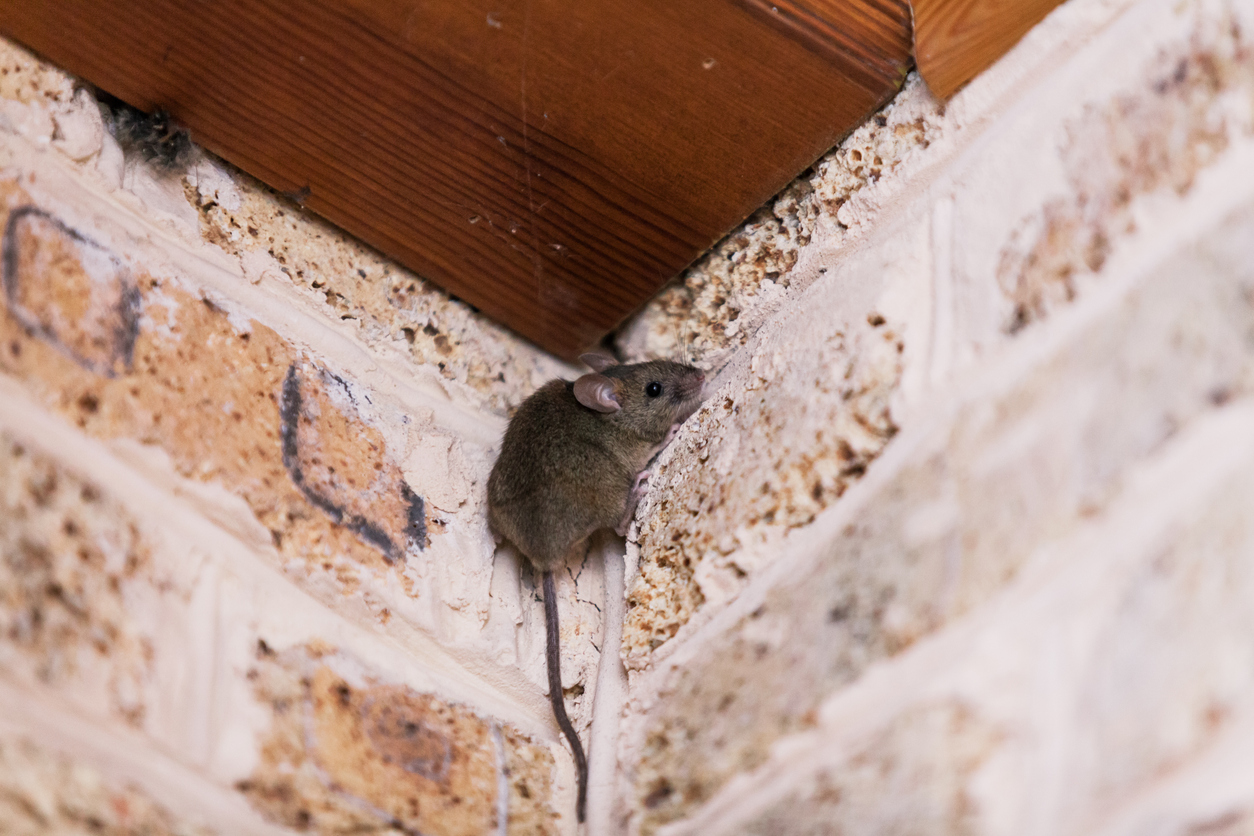
Spring-Ready Home — Catching Rodent Problems Early
By Daniel, Pest Manager, Western Way Termite & Pest Services
What We Walked Into
From the outside, the house looked solid. The siding was in good shape, doors closed properly, and there were no obvious signs of damage. That’s pretty typical with rodent issues. Rats and mice don’t need large openings — small gaps along foundations, utility lines, or where materials meet are usually enough.
Inside the garage, the signs were more telling. The droppings were small but kept showing up in the same spot along the wall. When that happens, it usually means rodents are using that area as a regular travel route, not just passing through once. We also found gnaw marks on a cardboard box that had been stored against the wall for a while. Rodents tend to start in places that are quiet and undisturbed, especially when there’s clutter or storage giving them cover.
In the attic, we saw early nesting activity. Some insulation had been moved and compressed, and there were clear paths where rodents had been traveling. It wasn’t a heavy infestation yet, but it was enough to confirm they had been active for some time. Outside, we found gaps around utility lines and one section near the foundation where soil had settled. That kind of settling creates space just big enough for rodents to squeeze through without being noticed.
The homeowner hadn’t ignored anything or let the property go. Nothing here was due to neglect. This is just how rodent problems usually start — quietly, in places people don’t check often, and without any big warning signs at first.

Why Early Rodent Activity Matters
Rats and mice don’t wait for spring to fully arrive before settling in. Once they find warmth, shelter, and a steady path, they stick with it unless something interrupts them.
They chew on wiring, contaminate stored items, and tear into insulation to build nests. Most of that damage happens out of sight, which is why rodent problems often feel sudden when they finally become obvious. By the time rodents are seen during the day or heard regularly at night, they’ve usually been around longer than people expect.
For this homeowner, the concern wasn’t panic. It was uncertain. They didn’t want to overreact, but they also didn’t want to ignore something that could turn into a bigger issue later. That’s a reasonable place to be, and it’s usually the right time to take a closer look.
How We Handled It
We started by walking the full exterior of the home to find likely entry points. Rodent work always begins outside. If you don’t close off access, you can catch a few inside and still keep getting new activity later.
We checked the usual problem spots:
Around garage doors and side doors
Where pipes, cables, or AC lines enter the house
Along the foundation, especially where the ground had settled
Vents and gaps near corners or trim
Once we had a clear idea of how they were getting in, we moved inside.
In the attic, we dealt with the active areas first. We removed nesting material and cleaned up the spots where rodents had been spending time. We also treated the travel routes, because rodents usually follow the same paths over and over. Then we sealed the gaps around utility lines and any other openings that connected the attic to the outside.
Everything was handled step by step. No rushing. No overdoing it. The goal was simple: stop the activity, close off access, and make sure the home stayed quiet afterward.
The Result
Within a few weeks, the noises stopped. No new droppings showed up in the garage. The attic stayed quiet at night.
More importantly, the homeowner felt settled again. They weren’t listening for sounds every night or checking the garage floor every morning. They felt like the problem had been handled properly instead of temporarily.
That sense of relief matters. Living in your home shouldn’t feel stressful.
What I Told Them to Do Moving Forward (DIY Tips)
Before I wrapped up, I shared a few simple things to keep an eye on:
Store items off the garage floor and away from walls
Avoid cardboard storage whenever possible
Seal small gaps before rodents find them
Watch for new droppings or sounds early
Keep vegetation trimmed back from the house
They followed through, and it helped keep things quiet.

When Professional Help Makes Sense
Rodents are one of those pests where DIY can only go so far. Traps might catch one or two, but if entry points stay open, others will take their place.
That doesn’t mean every situation is urgent. It just means timing matters. Catching rodent activity early is much easier than dealing with damage later—especially when wiring or insulation is involved.
Most of the calls I get in California Coast & Bay Area are from people who noticed something small and wanted to be sure. Those early checks usually make the biggest difference.
Final Thoughts
February is a reminder that rodent problems don’t start loudly. They build quietly over time.
If you’re hearing sounds, finding droppings, or just feel like something’s off, it’s worth paying attention now instead of waiting. Early action saves stress later.
If you need help or just want another set of eyes on things, we’re here.
– Daniel


Services
Office
8505 Church St Suite 7 Giloy, CA 95020
Copyright 2024. All Right Reserved.